The Essentials That Every Beer Home Brewer Must Have: Your Complete Guide to Getting StartedHome brewing beer has exploded in popularity over the past decade, turning kitchens and garages into mini breweries worldwide. Whether you’re drawn to the creative freedom of crafting unique flavors, the satisfaction of sharing your own brews, or simply the joy of a fresh pint that tastes better than anything from the store, starting your home brewing journey is incredibly rewarding. But success begins with the right gear. Without the proper essentials, even the best recipe can fall flat due to contamination, inconsistent temperatures, or poor equipment.In this comprehensive guide, we’ll walk you through the must-have equipment and supplies every beer home brewer needs. We’ll cover why each item matters, how it fits into the brewing process, practical tips for beginners, and common pitfalls to avoid. By the end, you’ll have a clear roadmap to brew your first (or next) batch with confidence. This isn’t just a shopping list—it’s a practical resource designed to help you produce consistent, great-tasting beer at home.If you’re shopping in Australia or anywhere else, sites like BigBrewShop.com make it easy to find high-quality, beginner-friendly options delivered right to your door. We’ll highlight three standout products from their range that perfectly illustrate these essentials.1. A Reliable Brewing Kettle (Your Boiling Workhorse)Every beer home brewing session starts with the boil—the stage where you extract flavors from malt, add hops for bitterness and aroma, and sanitize the wort (unfermented beer). You need a sturdy brewing kettle that can handle 5–6 gallons of liquid without scorching or warping.Why it’s essential: A good kettle distributes heat evenly, prevents hot spots that can burn sugars (creating off-flavors), and allows for vigorous boils that drive off unwanted compounds. Stainless steel is the gold standard because it’s durable, non-reactive, and easy to clean.What to look for:
- 5–8 gallon capacity (for 5-gallon batches with headspace)
- Thick tri-ply or heavy-gauge stainless construction
- Optional thermometer port or lid
- Compatible with stovetop, induction, or propane
- Plastic buckets: Affordable, lightweight, and great for beginners. The 6.5-gallon size with a spigot and lid is ideal.
- Glass carboys: Traditional, inert, and easy to see fermentation activity. They’re oxygen-impermeable but heavier and more fragile.
- Conical fermenters: The upgrade most serious home brewers eventually want. The conical shape lets sediment (trub and yeast) settle at the bottom for easy removal without disturbing the beer.
- Food-grade materials (BPA-free where applicable)
- Airtight lid with airlock port
- Temperature control options (stick-on strips or jackets)
- Spigot for bottom draining (on buckets and conicals)
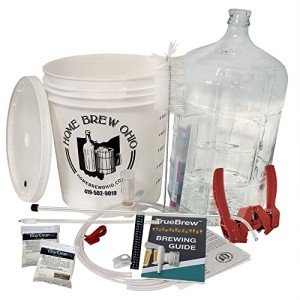
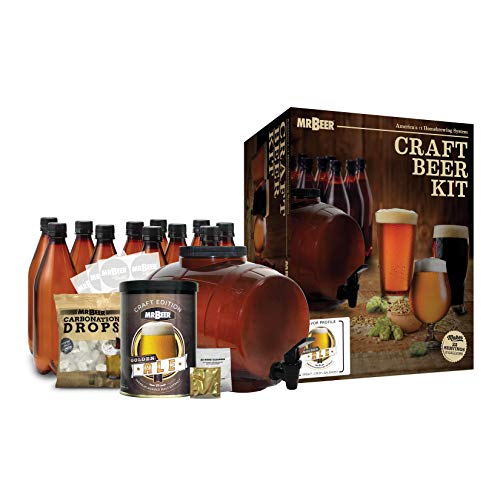
Home Brew Ohio Complete Beer Kit with Carboy
Everything you need to start brewing your own delicious beer at home
Product information
$126.48
Product Review Score
4.64 out of 5 stars
57 reviewsProduct links
3. Measuring and Monitoring Tools (Precision = Consistency)Great beer is all about control. Without accurate measurements, you can’t replicate recipes or troubleshoot problems.Must-have tools:
- Hydrometer (and test jar): Measures specific gravity to track fermentation progress and calculate ABV. Essential for knowing when fermentation is complete.
- Thermometer: Digital probe or lab-style for wort temperature during cooling and pitching.
- pH meter or strips (optional but helpful): Ensures proper mash pH and sanitizer effectiveness.
- Refractometer (advanced): Faster gravity readings with just a few drops.
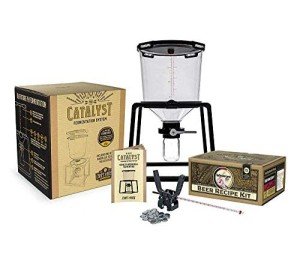
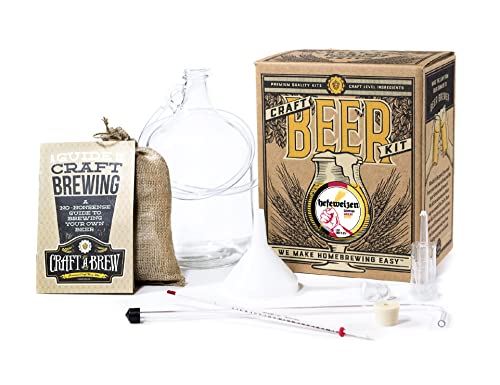
Craft A Brew Premium Homebrew Starter Home Brewing –6.5 Gallon Conical Fermenter – 5 Gallon Recipe Capping Kit – Thermometer (Hefeweizen)
Product information
Product Review Score
4.93 out of 5 stars
205 reviewsProduct links
4. Sanitation Supplies (The #1 Secret to Great Beer)Sanitation is the single most important step in home brewing. Wild bacteria or wild yeast can ruin an entire batch with sour, medicinal, or funky flavors.Essential products:
- No-rinse sanitizer like Star San or similar oxygen-based washes
- PBW or similar alkaline cleaner for removing organic residue
- Bottle brush and carboy brush for thorough cleaning
- Auto-siphon or racking cane with tubing
- Bottling bucket with spigot
- Bottle filler (spring-loaded for less mess)
- Crown caps and capper (or oxygen-absorbing caps)
- Keg system (Corny kegs, CO₂ tank, regulator) for advanced brewers
- Malt extract (liquid or dry) – provides fermentable sugars
- Specialty grains (steeped for color and flavor)
- Hops (bittering, flavor, aroma varieties)
- Yeast (dry or liquid strains matched to style)
- Space and safety: Dedicate a clean, temperature-stable area. Work on a non-porous surface and keep a fire extinguisher nearby if using propane.
- Record keeping: Log every batch—temperature, gravity, ingredients, dates. This turns good brewers into great ones.
- Scaling up: Begin with 5-gallon batches. Once confident, try 1-gallon test batches for new recipes.
- Common mistakes to avoid: Over-aerating hot wort (creates DMS), pitching yeast too hot (kills it), or bottling too early (exploding bottles).
- Cleaning routine: Treat equipment like restaurant kitchen tools—clean immediately and store dry.
- Community resources: Join online forums or local homebrew clubs for recipe feedback.
