CO2 Systems and Kegging Guide for Home BrewersKegging your homebrew with a CO2 system is one of the most popular upgrades for homebrewers. It eliminates the time-consuming process of bottling, reduces oxidation, provides consistent carbonation, and lets you pour fresh beer on tap whenever you want.In this comprehensive guide, we explain how CO2 systems and kegging work, what equipment you need, pressure settings for different beer styles, setup steps, and maintenance tips for reliable performance.Why Kegging with CO2 is Worth It
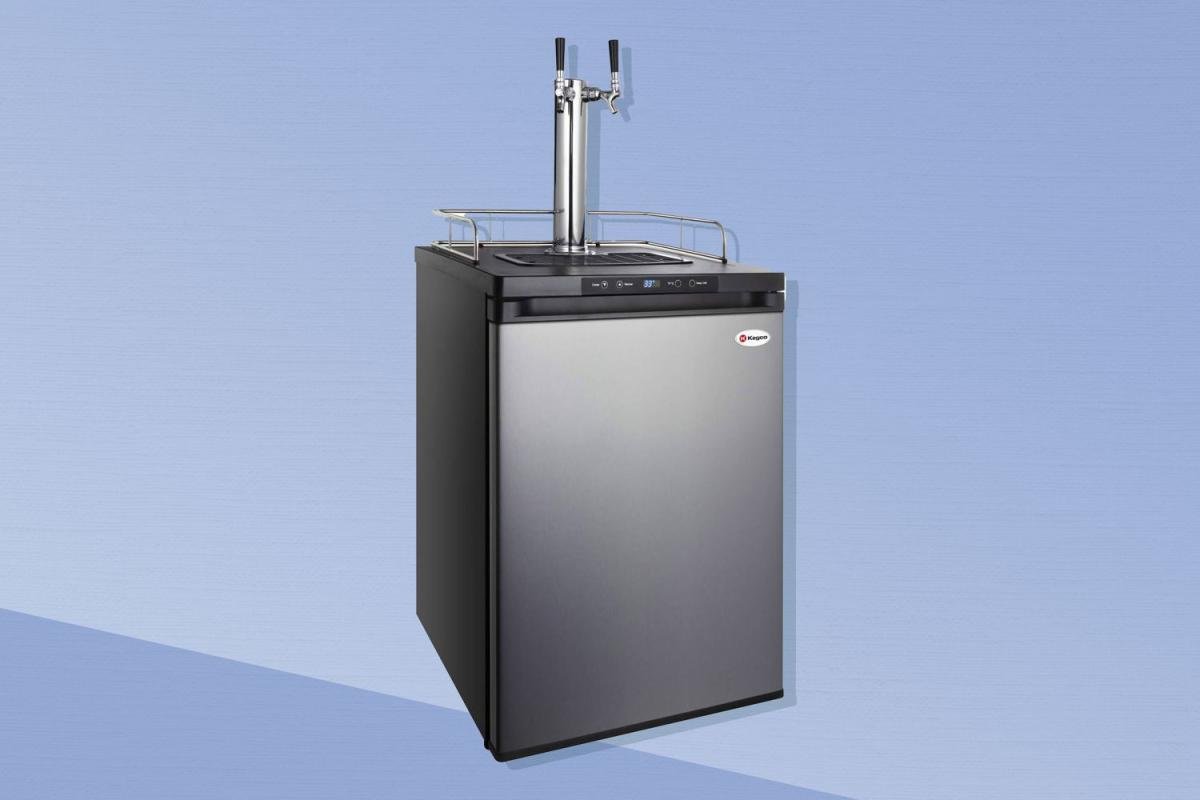
You can browse our full selection of kegerators, kegs, CO2 systems, and kegging accessories by visiting our Keg category.Pro Tip
Start with a simple 2-keg setup (one CO2 tank serving two kegs). This gives you excellent flexibility without too much complexity. Always keep a spare CO2 tank on hand.Disclaimer
The information in this buyer’s guide is for educational and informational purposes only. It is not intended to replace proper brewing and sanitation practices. Always follow manufacturer instructions and local laws regarding home brewing and kegging. Individual results may vary.
- Serve beer in minutes instead of waiting weeks for bottling conditioning
- Better flavor due to reduced oxygen exposure
- Easy to adjust carbonation levels for different styles
- Ideal for parties, frequent drinking, and sharing
- Long-term cost savings compared to buying bottles and caps
- Cornelius kegs (5-gallon “Corny” kegs are the most common)
- CO2 tank and regulator
- Kegerator or converted fridge
- Beer lines, faucets, and quick disconnects
- CO2 tubing and fittings
- Sanitizer and cleaning supplies
- American Lagers & Light Ales: 8–12 PSI
- IPAs & Hoppy Beers: 10–14 PSI
- Stouts & Porters: 8–12 PSI (lower for nitro pours)
- Belgian & High-Gravity Beers: 12–16 PSI
- Sanitize all equipment thoroughly
- Fill the keg with finished beer, leaving minimal headspace
- Purge oxygen from the keg with CO2
- Set the correct CO2 pressure for your beer style
- Force carbonate (usually 24–48 hours) or naturally carbonate
- Serve at proper temperature (38–42°F for most beers)
- Clean beer lines regularly to prevent off-flavors
- Check for leaks in connections
- Store CO2 tanks safely
- Monitor temperature closely
You can browse our full selection of kegerators, kegs, CO2 systems, and kegging accessories by visiting our Keg category.Pro Tip
Start with a simple 2-keg setup (one CO2 tank serving two kegs). This gives you excellent flexibility without too much complexity. Always keep a spare CO2 tank on hand.Disclaimer
The information in this buyer’s guide is for educational and informational purposes only. It is not intended to replace proper brewing and sanitation practices. Always follow manufacturer instructions and local laws regarding home brewing and kegging. Individual results may vary.